Neurons, with high energy and oxygen requirements, are especially vulnerable to detrimental factors, including age-related dysregulation of biochemical pathways caused by altered expression of multiple genes
The standard retatrutide dose schedule is: Weeks 1-4: 1 mg once weekly Weeks 5-8: 2 mg once weekly Weeks 9-12: 4 mg once weekly Weeks 13-16: 8 mg once weekly Week 17 onward: 8-12 mg once weekly (maintenance) In the combination context, many researchers find that 8 mg is sufficient for their maintenance dose rather than pushing to 12 mg, because the cagrilintide provides enough additional appetite suppression and satiety to make the extra 4 mg of retatrutide unnecessary

Retatrutide Why CagriSema Works: Lessons for Potential Retatrutide Combinations The success of cagrilintide and semaglutide (CagriSema) in clinical trials offers insights that might apply to cagrilintide dosage with retatrutide scenarios [17]: CagriSema Success Factors: Complementary mechanisms Amylin (cagrilintide) and GLP-1 (semaglutide) work through different pathways Overlapping but manageable side effects Both cause GI effects, but titration protocols minimize discontinuation Synergistic efficacy 22.7% weight loss exceeds either compound alone Single pharmaceutical developer Novo Nordisk controls both compounds, enabling coordinated development Key Differences with Retatrutide: The additional receptor targets with retatrutide create both potential advantages (broader metabolic effects) and concerns (more complex interactions, potentially greater side effects)
Common Concentrations Used in Published Research Published in-vitro work commonly uses GHK-Cu at concentrations between 10 nM and 10 M in fibroblast culture, with 1 M representing a frequently reported working concentration [2][3]
These two compounds interact to boost actin amount and function, allowing fibroblasts and immune cells to migrate faster to injured sites [3]
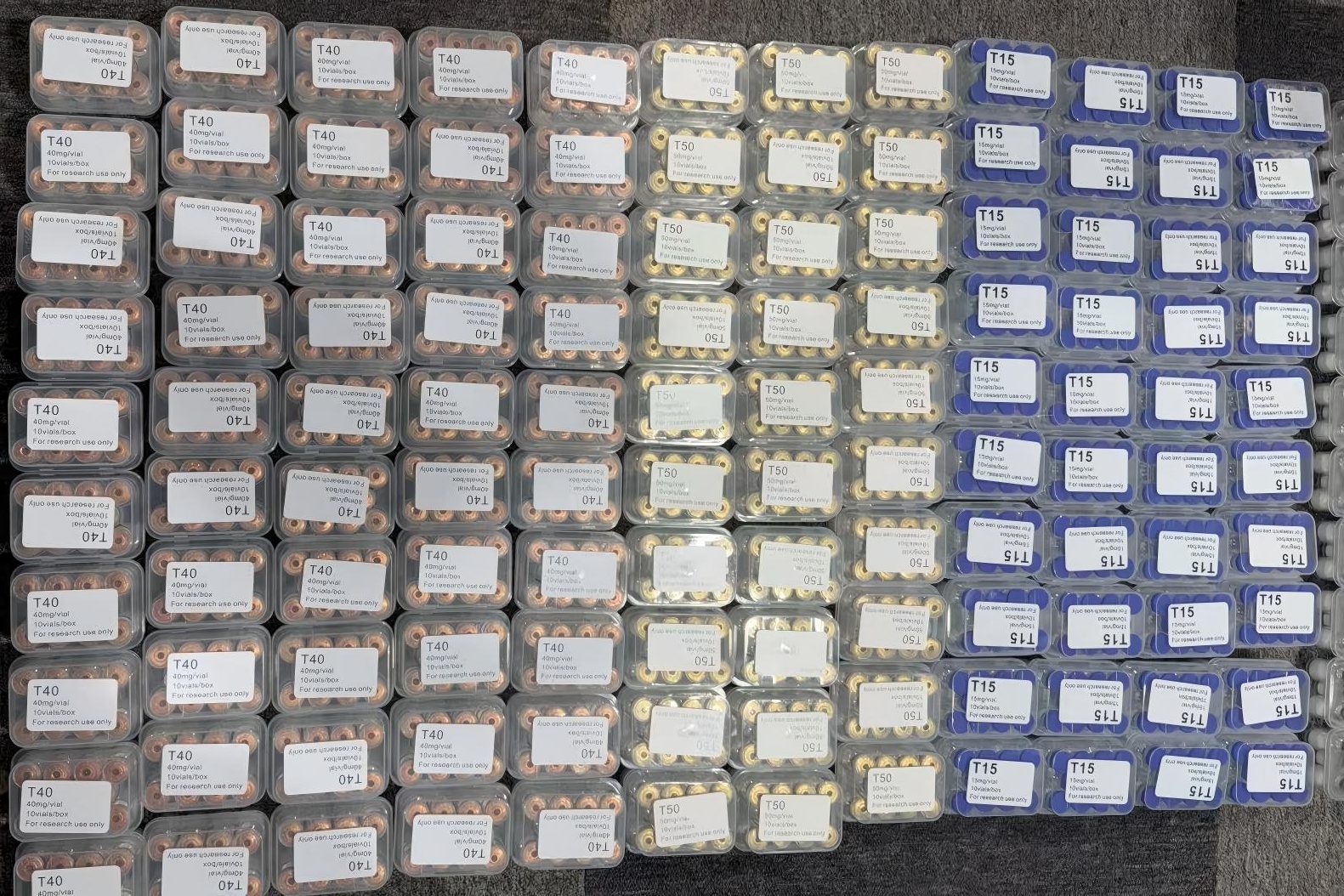
Required supplies Your GHK-Cu vial contains lyophilized (freeze-dried) powder, typically 50mg or 100mg quantities